At times I couldn’t get out of bed in the morning. Friends understand now but at the time, they thought I was lazy!
C3G explained
C3G stands for complement 3 glomerulopathy. The complement system plays a key role in the body’s immune response. C3 is a blood protein that is part of the complement system and helps to regulate the body’s immune response. Glomerulopathy is the term for damage to components of the kidney called the ‘glomeruli’, which filter the blood to remove toxins and produce urine.
C3G can be caused by an auto-immune response (when the body begins to attack its own cells) or in some cases, can be due to a faulty gene.
C3G is a progressive disease. In the early stages, C3G may be ‘silent’ with no symptoms but over time it can gradually reduce kidney function, which can lead to a variety of symptoms. Around half of those affected will develop kidney failure, which means they will need to start regular dialysis or potentially, have a kidney transplant.
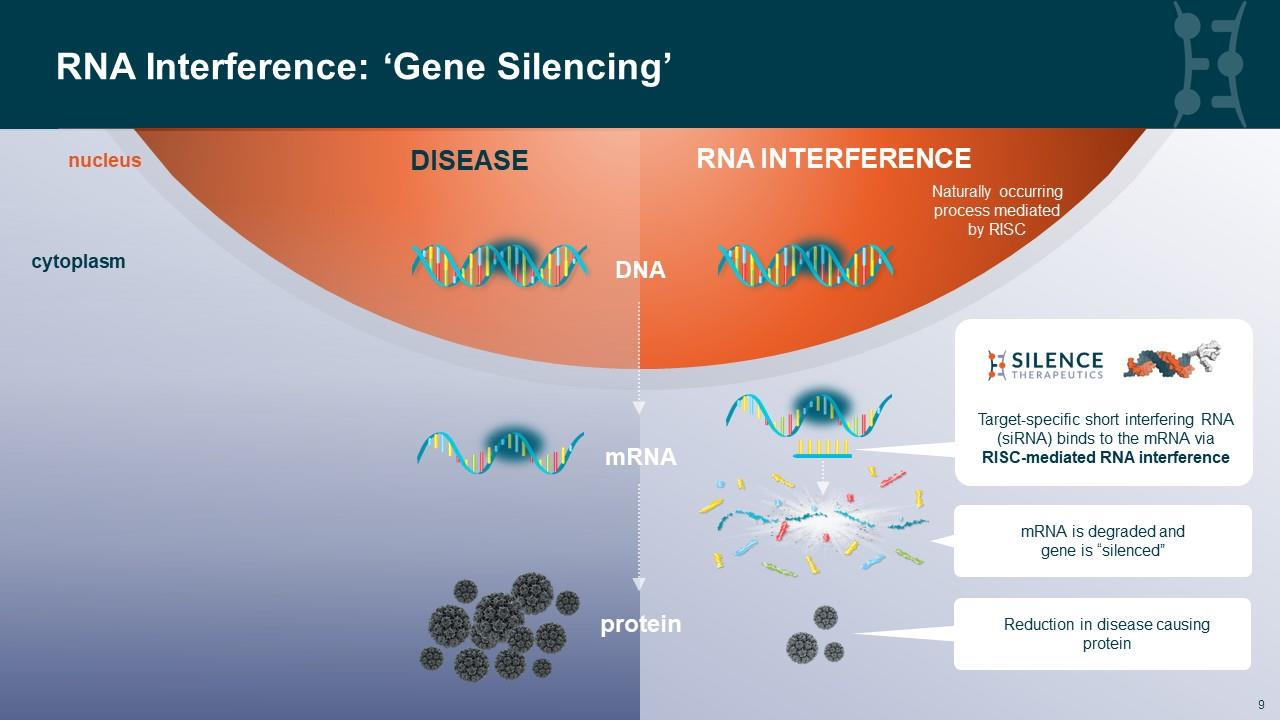
There is currently no specific treatment for C3G. Current treatment approaches aim to slow the progression of the disease and relieve the symptoms it causes. C3G is a rare disease, but in the past two decades, understanding of the disease has improved. A number of potential new treatment options are currently under investigation, many of which are designed to target the complement system. One area under investigation is called ‘gene silencing therapy’, which is designed to temporarily block a specific gene’s message that would otherwise trigger an unwanted effect. These new treatment approaches have the potential to improve the outlook for people with C3G.

+What is the complement system?
The complement system is part of the body’s immune system. It is a collection of more than 20 proteins in the blood and tissue fluids, which work together to fight invaders such as bacteria and viruses. Complement system proteins are found in the blood and in the fluid that surrounds body tissues. They are present from birth and form part of the innate immune system. When the complement system is triggered, the protein molecules activate each other in a chain reaction known as a cascade.
Sometimes the complement system goes into overdrive and becomes abnormally active. This causes it to attack normal proteins. In the case of C3G, the complement system becomes over-activated by C3, one of its own proteins. This can lead to a build-up of products in the kidney, affecting the normal functioning of the kidney.
+ How do the kidneys work?
The kidneys are two bean-shaped organs located at the back of the body just below the rib cage, on either side of the spine. They are each about the size of an adult fist. Their function is to remove waste products from the blood and maintain a healthy balance of water, salts and minerals, such as sodium, calcium, phosphorus and potassium. They also control the production of red blood cells, release hormones that control growth and help regulate blood pressure.
Each kidney is made up of about a million filtering units called nephrons. Each of these contains a filter, called a glomerulus, and a tubule. The glomeruli are clusters of tiny blood vessels that allows smaller molecules, wastes and fluid, to pass through to the tubule.The majority of this is reabsorbed as it passes through the tubules but a small percentage is excreted from the body in the form of urine.
Blood enters the kidneys through an artery from the heart, where it is filtered and cleaned by the glomeruli. Waste material flows from the kidneys to the bladder through two thin tubes called ureters. The clean blood is then transferred back into the body via the veins and the waste products are passed out of the body as urine. Healthy kidneys filter about 200 quarts (more than 225 liters) of blood every 24 hours.
+ What goes wrong in C3G?
C3G develops when there is a fault in the complement system. In people with C3G, the complement system begins to attack the body’s own cells and this leads to a build-up of one of the complement proteins called C3 in the glomeruli, the kidney’s filter. This makes it difficult for the glomeruli to filter the blood effectively, meaning that blood and protein can leak into the urine. Over time, toxins can build up and the function of the kidneys declines. Around half of patients will go on to develop end-stage kidney disease. This means that the kidney has less than 15% functioning ability.
+Is there more than one type of C3G?
In 2013, two separate forms of C3G were identified: Dense deposit disease (DDD) and C3 glomerulonephritis (C3GN). Until recently, these diseases had different names: C3GN was known as MPGN 1 or 3 and DDD was known as MPGN2. MPGN stands for membranoproliferative glomerulonephritis.
DDD and C3GN are similar diseases but show differences when kidney tissue samples are examined under the microscope. Both are associated with the presence of unwanted deposits of substances in the kidney, but the location of the deposits is different in each of these forms. They are both diagnosed and treated in the same way.
+ Why do people get C3G?
C3G can be acquired or genetic.
Acquired C3G: some people develop auto-immune antibodies to the complement proteins, which then attack the protein and prevent it from doing its job. In some cases, this can happen following an infection.
Genetic C3G: some people have genetic mutations (changes) in the proteins that normally regular the complement system. It is estimated that approximately 25% of people with C3G have genetic abnormalities relating to the complement system.
+How many people are affected by C3G
C3G is a rare disease that can affect people of all ages. The prevalence is estimated at 2-3 per 1,000,000 people.
C3G can be diagnosed at any age but it tends to affect children and young adults more frequently. The average age for diagnosis is 21-26 years.
+What is the outlook for people with C3G?
C3G is a progressive disease, which means that it is likely to get worse over time, but as with many kidney diseases, the rate at which it progresses varies from person to person.
In some people with C3G, the disease remains stable for many years but in others it progresses more rapidly. Some patients respond well to treatment but many experience declining kidney function. There are five stages of kidney disease, with stage 5 representing kidney failure. Around half of patients will go on to develop end-stage kidney disease, which means that the kidney can no longer function effectively. In this case, some form of renal replacement therapy, such as dialysis or a kidney transplant, will be needed.
< C3G: key facts
> How C3G is diagnosed and treated